
Compact Wildlife Camera Bags: Field-Ready Organization & Speed
By Avery Sullivan • 24th Oct
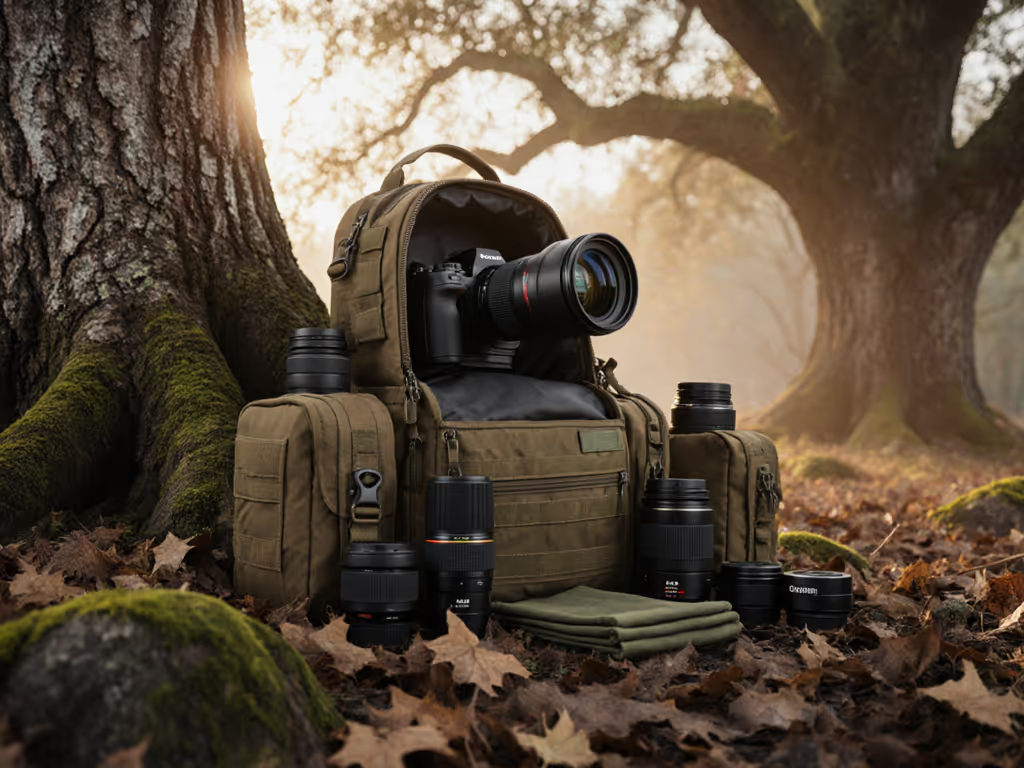
Choosing the right wildlife photography camera bags shouldn't mean sacrificing mobility for protection. The hunt for a trustworthy compact camera backpack often ends in frustration, with overstuffed compartments, missed shots, or physical strain that turns adventure into agony. I've been there, knee-deep in a riverbank with a bag that promised "pro organization" but delivered only twenty pockets and no plan. After building a simpler two-bag system with labeled zones, everything changed. Today, I'll help you cut through the noise with a field-tested approach that prioritizes your body, kit, and rhythm over marketing hype. Let's build your confidence to shoot.
Why Compact Beats Oversized (Even for Long Lenses)
Q: Aren't compact bags too small for serious wildlife kits?
Wildlife photography essentials often get bloated by just-in-case gear. But overpacking creates slow access and brutal shoulder strain, especially on petite or curvy frames where weight distribution matters most. Consider this decision gate: If you're not using it daily, it doesn't earn space.
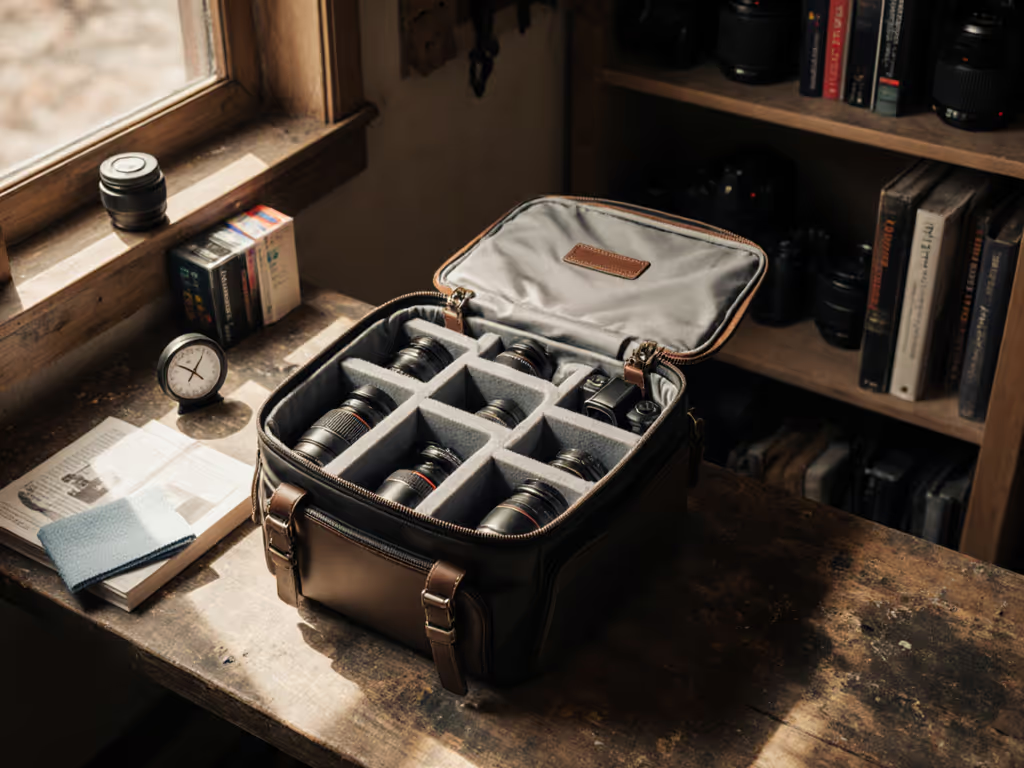
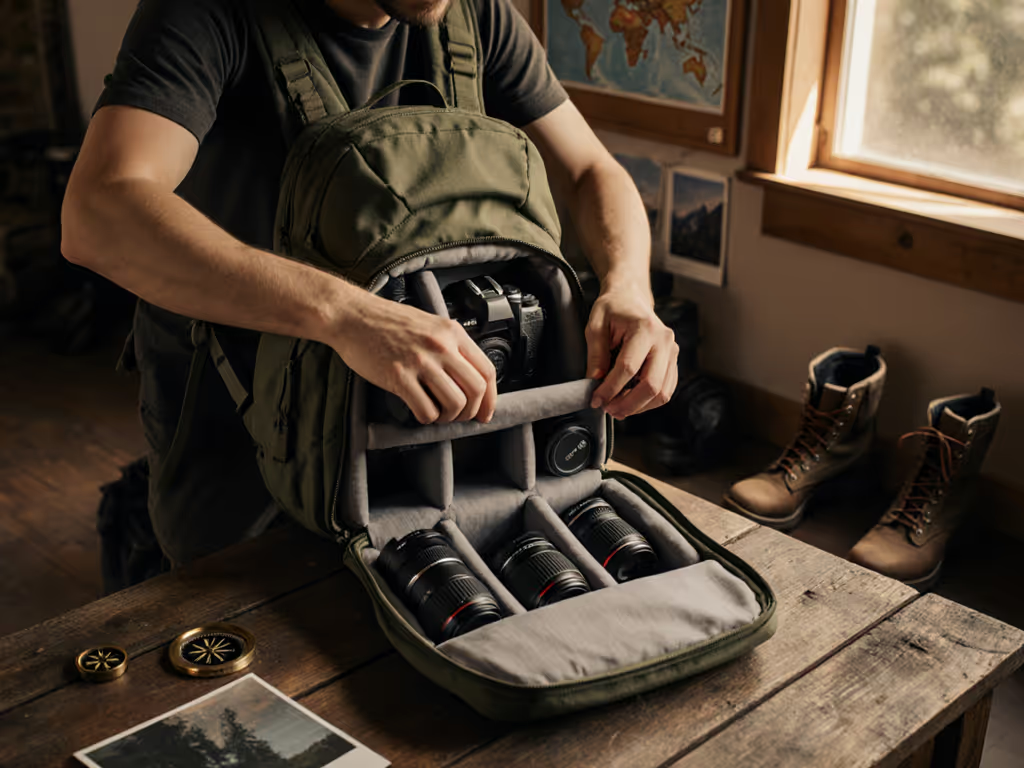
Recent field tests confirm that modern compact bags (20-35L) fit 90% of common kits: a mirrorless body + 70-200mm + 200-600mm + batteries. The secret? Modular core units: removable padded inserts that hug your exact gear like custom furniture. No more swimming in empty padding or wrestling with ill-fitting cubes. I watched a colleague transition from a 40L monstrosity to a streamlined system using a Shimoda RST Core Unit. Result? She accessed her Sony 200-600mm 2.3 seconds faster during egret flights.
Start small, fit right, build the system methodically. Your first bag should hold only what you use daily, not someday-maybe items.
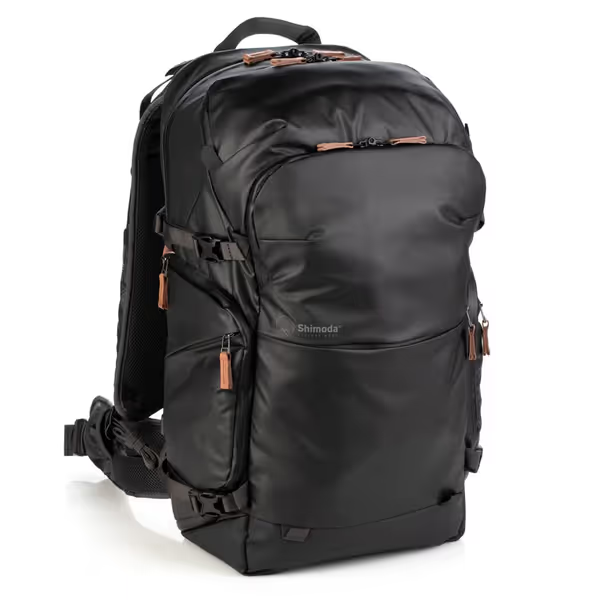
Shimoda Explore V2 35 Water Resistant Camera Backpack
Travel-ready camera backpack with customizable fit and dual access for demanding pros.
$399.9
Torso Height Adjustment7.5 cm (3 In)
Torso Height Adjustment7.5 cm (3 In)
Pros
U.S. & International carry-on compatible with thoughtful travel features.
Adjustable torso height ensures custom fit for diverse body types.
Multiple access points for quick shots and secure gear protection.
Modular Core Unit adapts to various photo/video kits.
Cons
Some users find capacity restrictive for larger mirrorless/DSLR setups.
Fit and functionality receive mixed reviews depending on user needs.
Customers find this camera backpack to be of high quality with a brilliant design, beautiful interior color, and several useful pockets for organization. They appreciate its comfort, durability, and storage capacity, with one customer noting its expandable upper compartment.
Customers find this camera backpack to be of high quality with a brilliant design, beautiful interior color, and several useful pockets for organization. They appreciate its comfort, durability, and storage capacity, with one customer noting its expandable upper compartment.
The Organization Myth: Zones Over Pockets
Q: How do I avoid the bag graveyard of forgotten accessories?
Traditional nature photography gear organization fails because it forces gear into rigid pockets. Instead, create functional zones: one for camera/lens combos, one for power (batteries/chargers), one for essentials (cards, lens cloths). Think of it like a kitchen, with pots near the stove and plates in the cabinet. For a step-by-step packing plan, see our camera bag organization guide. No more hunting for batteries while a fox dashes through frame.
This is where modular systems shine. Imagine swapping one core unit for a video rig in 60 seconds, no rethreading straps or Velcro chaos. Lowepro's MaxFit dividers (seen in newer trekking packs) let you resize compartments in the field without new inserts. Key test: Can you pack blindfolded in under 90 seconds? If not, your layout fights your workflow.
Your action step: Audit your last 3 shoots. What did you actually touch? Trim everything else. Label zones with colored tape, no more "where's the spare battery?" panic.
Body Fit: Why Torso Matters More Than Liters
Q: How do I avoid hip belt slippage on steep trails?
Back/shoulder strain isn't about weight, it's poor weight transfer. A bag that ignores your torso length or chest shape dumps load onto shoulders, causing numbness on 8-hour shoots. Crucial detail: hip belts must sit on your iliac crest (top of hip bones), not your waist. Many brands offer adjustable torso heights (like 3 settings on some adventure packs), so petite (under 5'3") or broad-shouldered users get custom fit. For deeper fit checks and posture tips, see our camera bag ergonomics guide.

Test this at home: Load your bag with 10 lbs. Walk stairs. If straps dig or slip, check:
- Sternum strap height (should align with collarbones)
- Hip belt angle (should flare outward for curvier torsos)
- Shoulder strap curvature (must hug shoulder slope)
One cinematographer I worked with ditched three "universal" bags before finding a model with algae-based shoulder straps. Her chronic shoulder pain vanished, proving inclusive design isn't nicety, it is necessity.
Weather & Impact: Real Protection Without Bloat
Q: Can compact bags truly shield gear in monsoons or dust storms?
Outdoor camera protection starts with seam sealing, not just splash guards. Look for welded zippers (not stitched) and base panels with double-thick rubber. A pro tip: Dust penetrates upward from the ground, so a reinforced padded base matters more than top waterproofing.
But don't fall for "bombproof" marketing. A recent industry report found 68% of "weather-resistant" bags failed under 45 minutes of simulated rain. See how top bags perform in our real-world rain tests. Instead, prioritize quick-dry materials and minimal exterior seams. And always carry a compact rain cover, it is lighter than waterproof padding that adds dead weight.
Critical test: Drop your loaded bag corner-first from waist height. If gear shifts violently, the interior padding is inadequate. Properly fitted core units should cradle lenses without movement.
Growth Paths: Your Bag Should Evolve With You
Q: How do I avoid buying multiple bags as my kit grows?
This is where clarity beats choice overload. A right-fit system grows modularly: your compact backpack handles daily kits, while a supplemental sling (for teleconverters or audio gear) clips to the harness. No more doubling bodies "just in case."
Consider these upgrade triggers:
- Add a sling when you regularly carry >1 accessory (e.g., gimbal + spare battery)
- Swap core units when switching to video (e.g., flat-base unit for gimbals)
- Use compression straps for seasonal shifts (e.g., shed winter layers = extra space)
I helped a documentary team transition from five mismatched bags to two interlocking systems. Their gear spend dropped 40%, and setup time halved. Because their base bag had predictable expansion points (like MOLLE webbing for external mics), they never felt "trapped" by size.
Your Next Step: Build Predictable Confidence
Wildlife photography demands speed, stealth, and stamina. For genre-by-genre picks (including wildlife), see our camera bags by photography style. Your bag shouldn't demand mental energy, it should be the silent partner that lets you feel the shot coming. Forget logo-driven upgrades. Build your hiking camera bags around what truly matters: your body's rhythm, your kit's reality, and the moments waiting to be captured.
Ready to escape the bag graveyard? Map your next move with these free tools:
- Torso Fit Guide: Measure your back length + hip shape
- Kit Audit Worksheet: Identify daily drivers vs. dead weight
- Modular Compatibility Chart: See which core units fit your bag
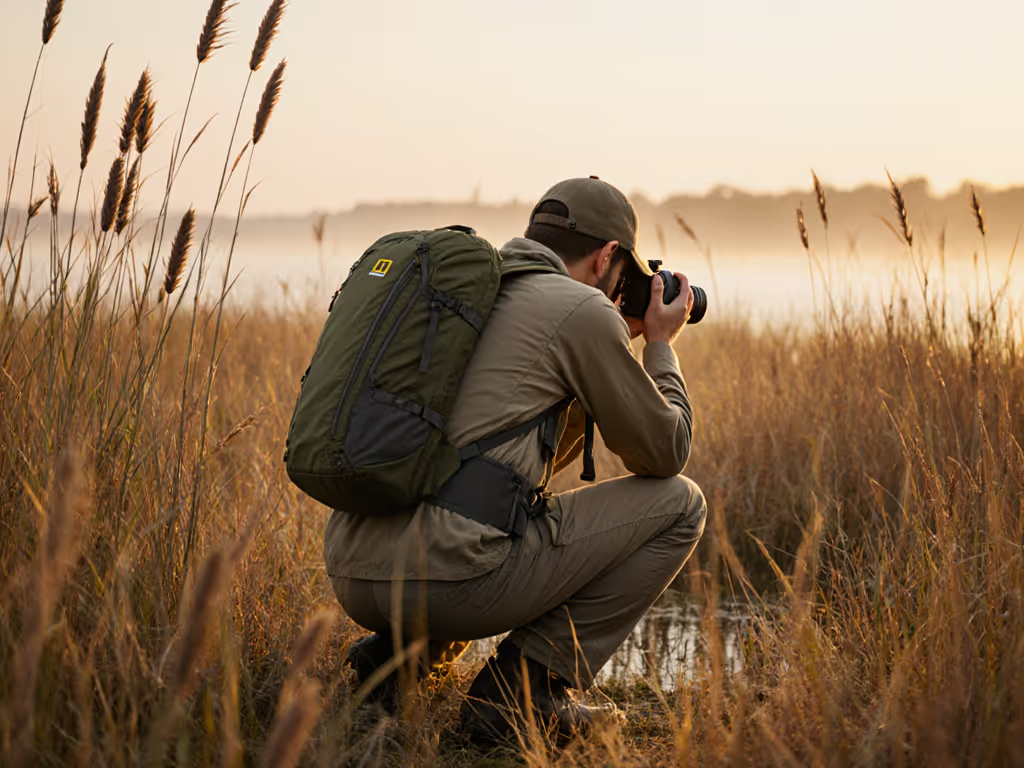
When you stop fighting your gear, you'll gain the decision gate to shoot faster, and the confidence to shoot when it counts. Because the best wildlife photography camera bags don't just carry gear; they carry you to the moment.
Related Articles